Race training
Different races break runners in different ways.
The Spine Race and the Marathon des Sables are both multi-day ultras, and almost nothing about preparing for them is the same. One is cold, wet, dark and mostly walked with a heavy pack in January. The other is hot, dry and run on sand with everything you'll eat for a week on your back.
These guides describe what each race actually demands, where runners tend to come apart, and what I'd train for it. Read the one for your race; the field notes carry the methods in detail.
Desert and heat
Heat raises your fuel burn, steals your fluid and lowers the effort ceiling your brain will allow. These races are decided by heat preparation, fuelling discipline and how well you move at a controlled effort when running stops being possible.
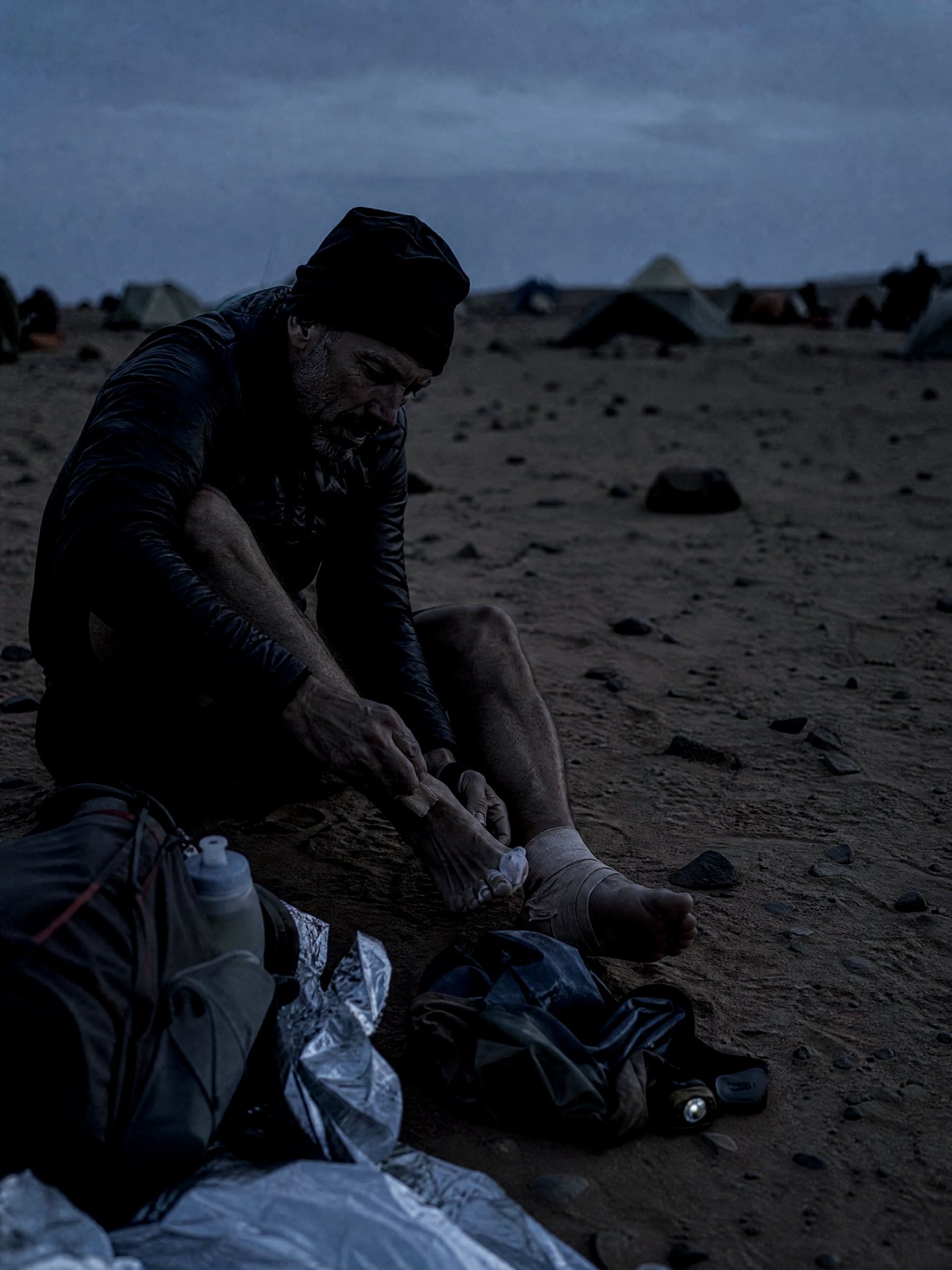
- Badwater 135 · guide coming
Mountain and technical
Climbing costs fitness; descending costs muscle. Mountain races are usually lost on the descents, hours after the legs first started paying for them, which makes eccentric strength and downhill exposure the core of the preparation.
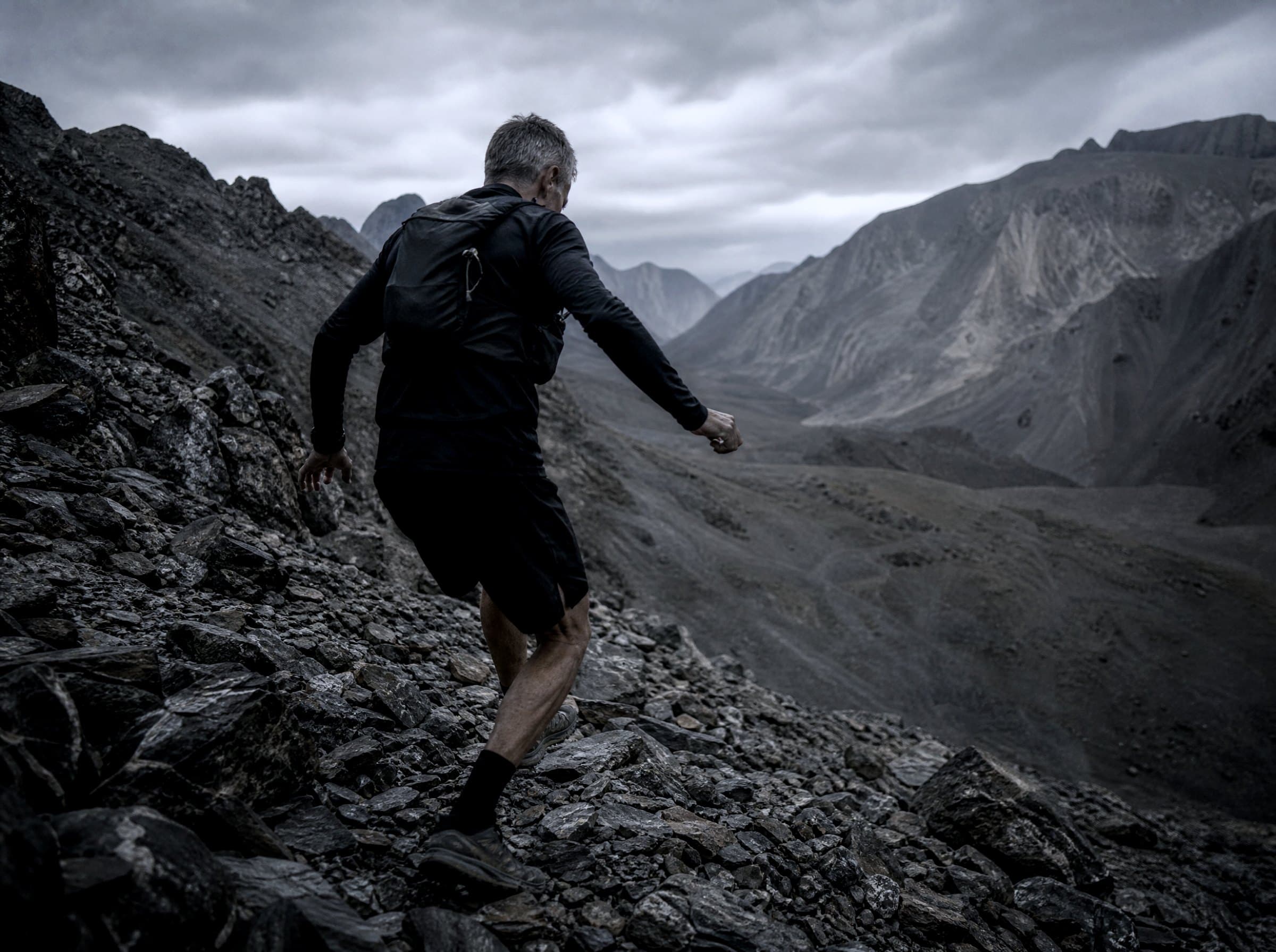
Alpine · 174 km · two nights
UTMB
UTMB is not a long flat ultra with hills. It's 10,000 m of climbing and, more to the point, 10,000 m of descending. What that does to legs, and how to prepare for it.
8 min read →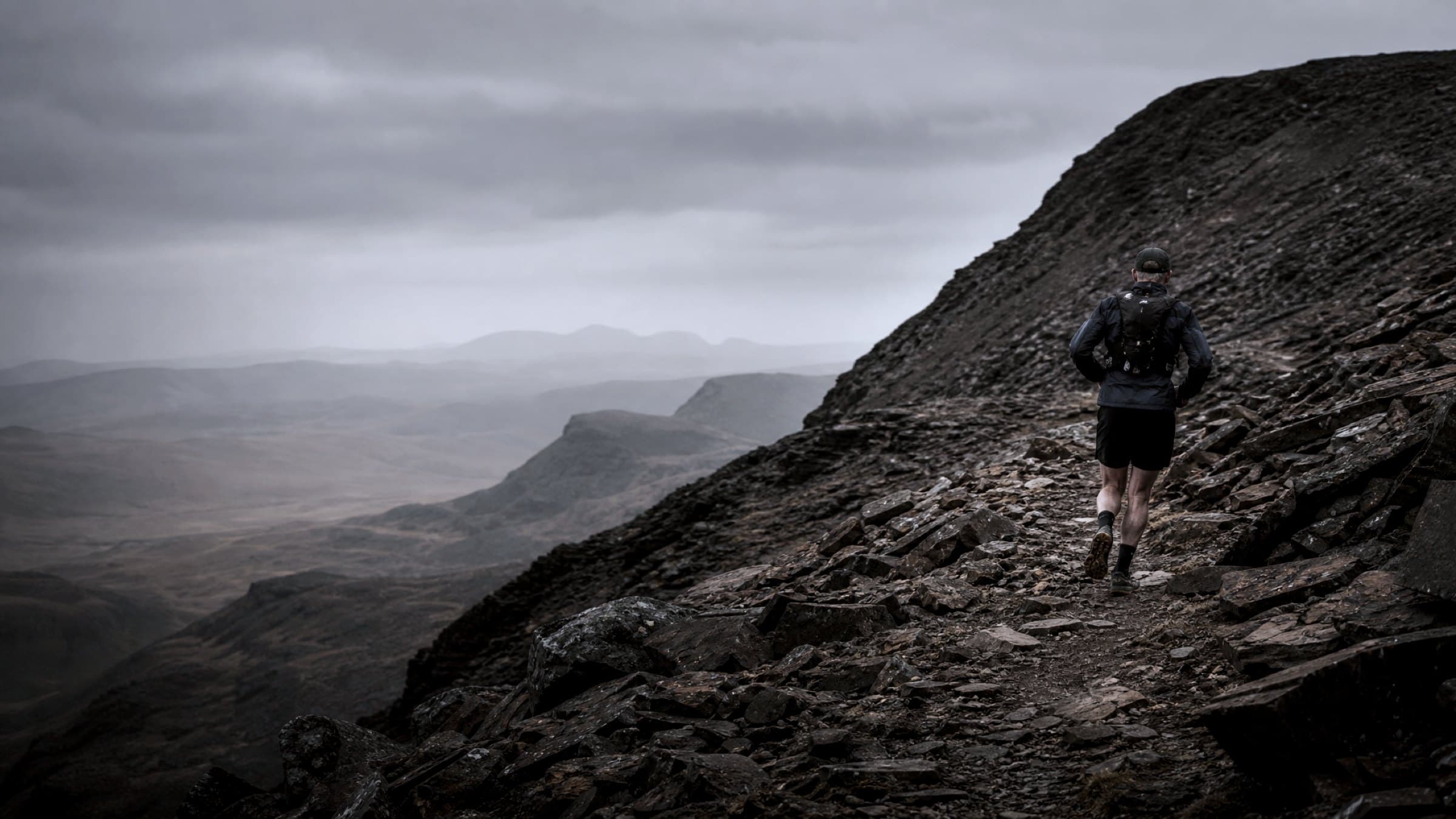
Mountain · six days · self-navigated
Dragon's Back Race
The Dragon's Back is not a stage race with scenery. It's six consecutive days of trackless Welsh mountains, and the damage of day one is still with you on day six. How to prepare for that.
7 min read →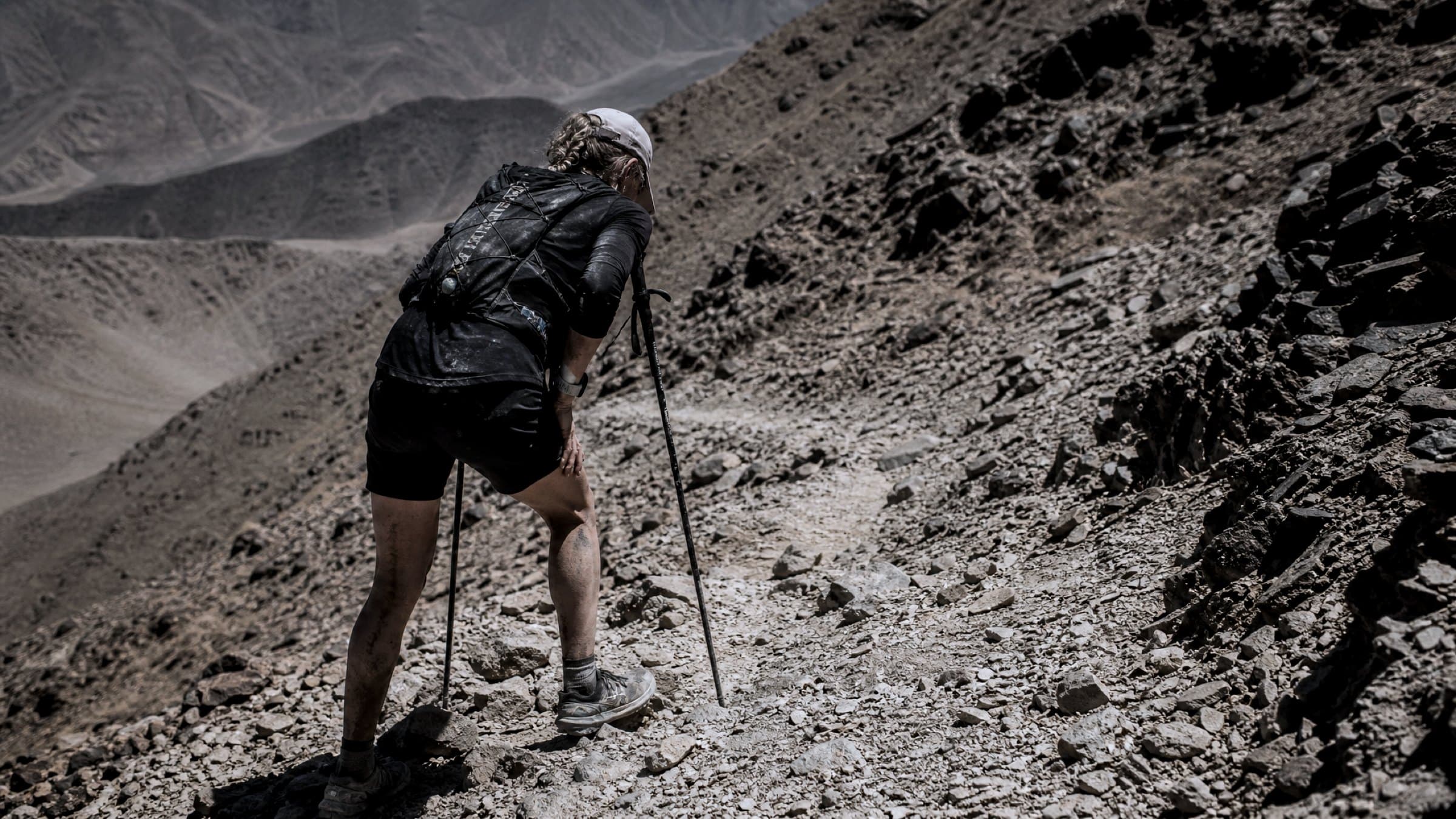
Highland expedition · status changing
Cape Wrath Ultra
An eight-day, 400 km expedition across the trackless Scottish Highlands. The event is between formats for 2027, and the preparation is worth understanding either way.
7 min read →- Hardrock 100 · guide coming
- Tor des Géants · guide coming
- Ultra-Trail Cape Town · guide coming
100 miles and long trail
A hundred miles is an eating and pacing problem wearing a running costume. The winners are rarely the fittest; they're the ones still absorbing fuel and still moving with intent through the second night's low.
Fell · 105 miles · self-navigated
Lakeland 100
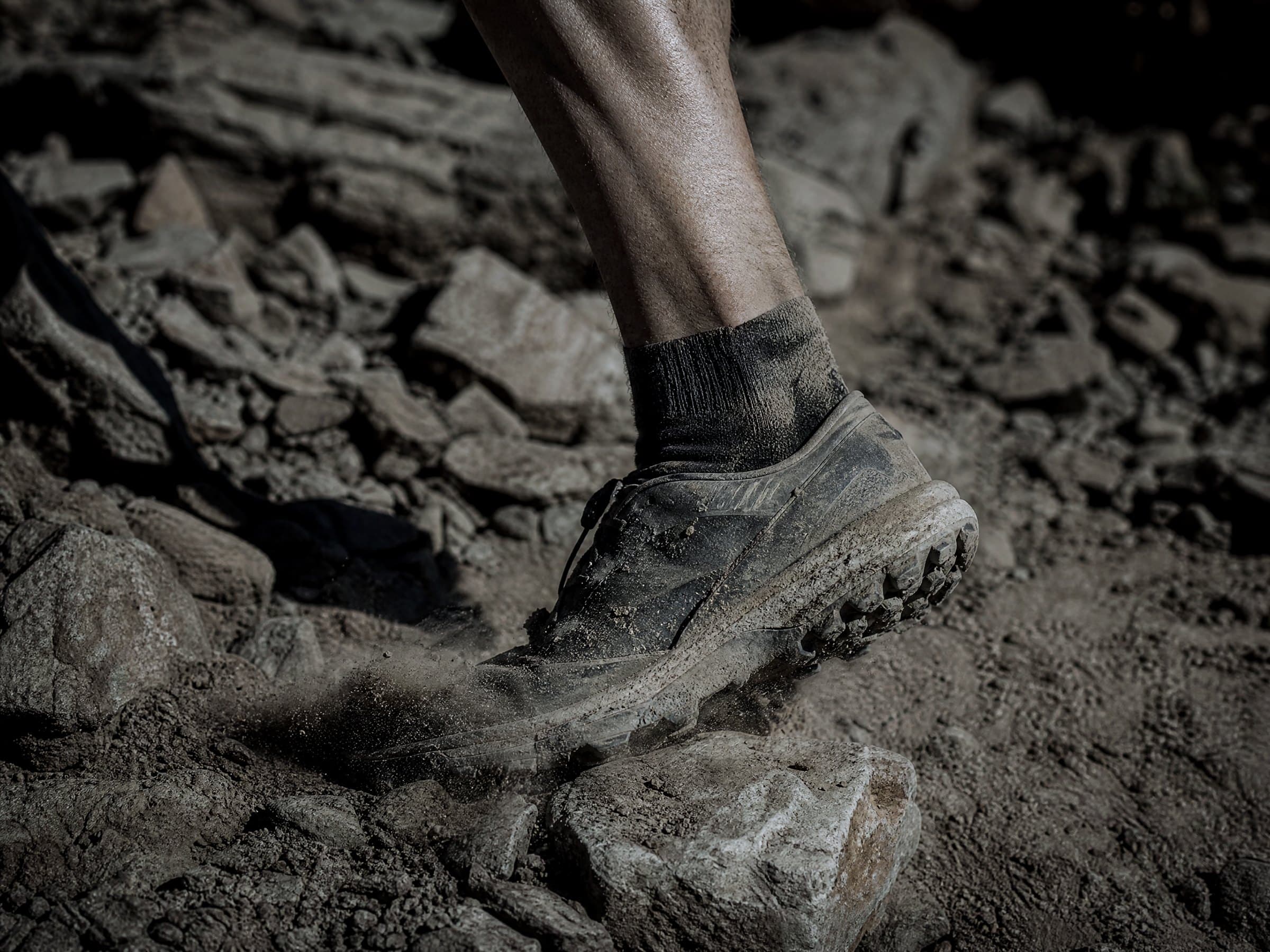
The Lakeland 100 asks for fell running, navigation and a strong night, all on tired legs. What the Ultra Tour of the Lake District demands and how to build for it.
7 min read →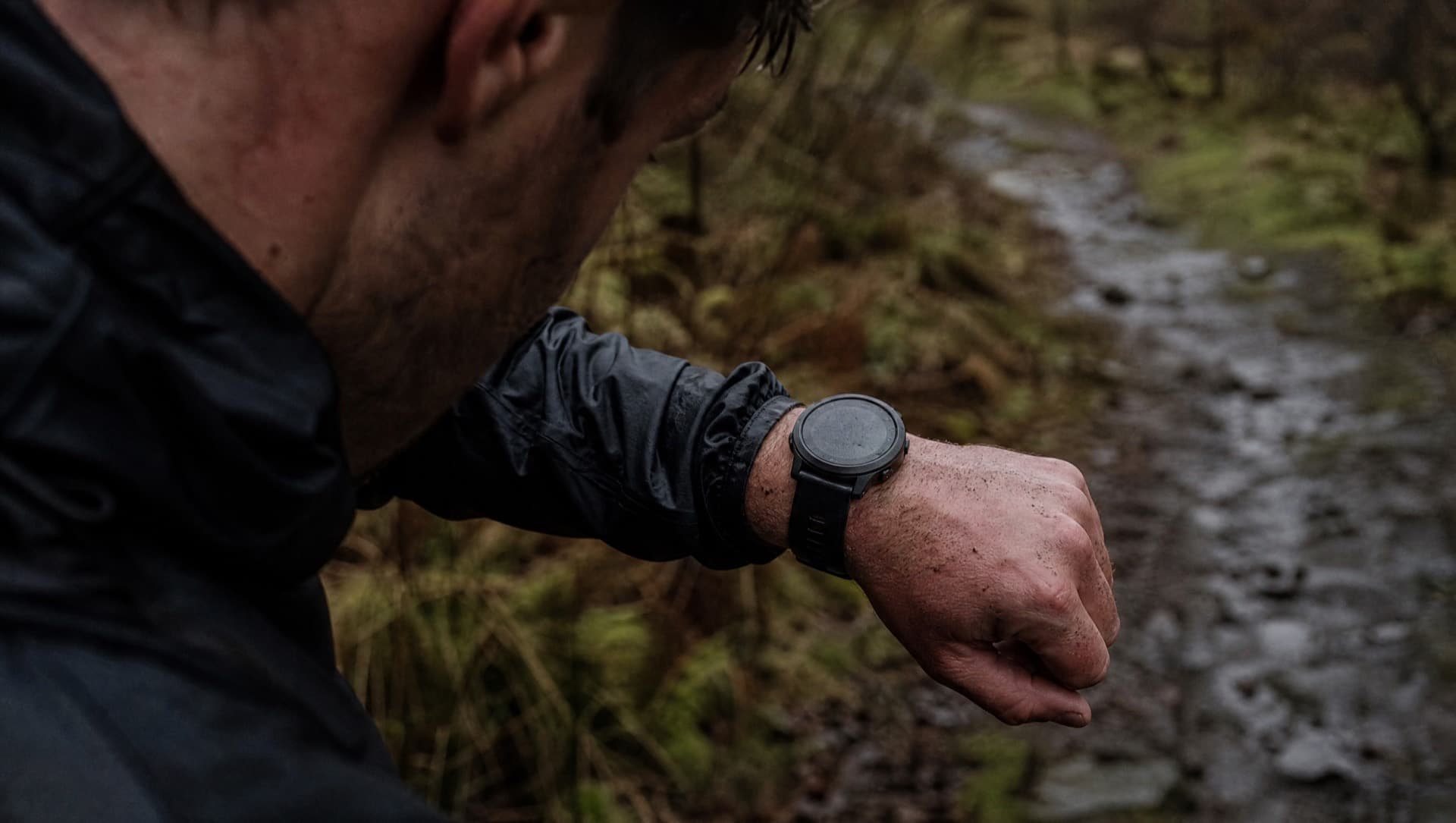
Winter coast · 100 miles · brutal
Arc of Attrition
The Arc is not a generic 100 miler. It's the South West Coast Path in January, at night, in Atlantic weather, with a DNF rate over half. What that actually asks of you.
7 min read →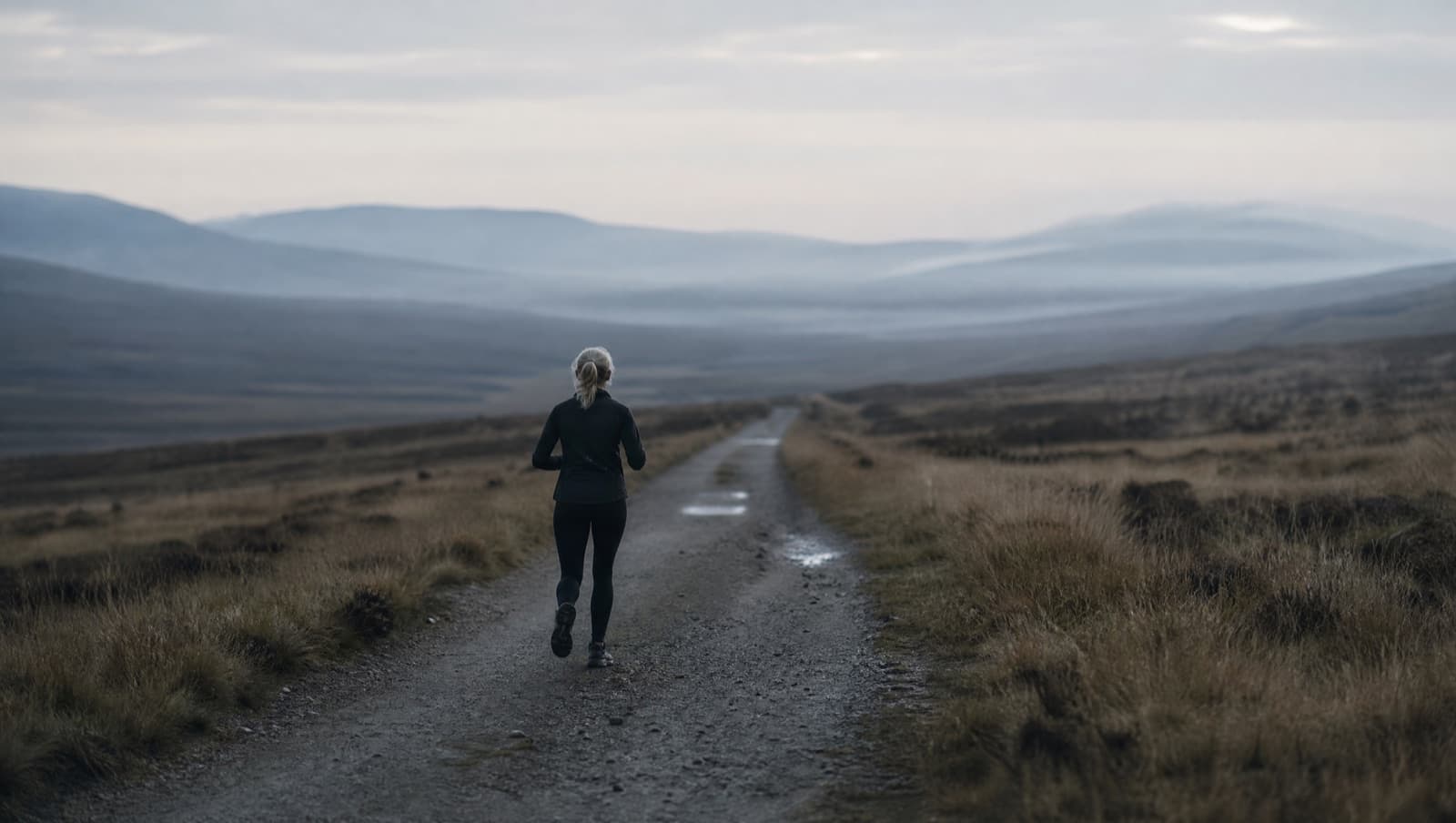
Runnable · 100 miles · chalk downland
South Downs Way 100
The SDW100 has nowhere to hide. It's runnable chalk downland, which sounds friendly and isn't: with no terrain to force a walk, durability shows up as the pace you can still hold at mile 80.
7 min read →- Western States 100 · guide coming
- Leadville Trail 100 · guide coming
- West Highland Way Race · guide coming
- Centurion Thames Path 100 · guide coming
Multi-day and extreme duration
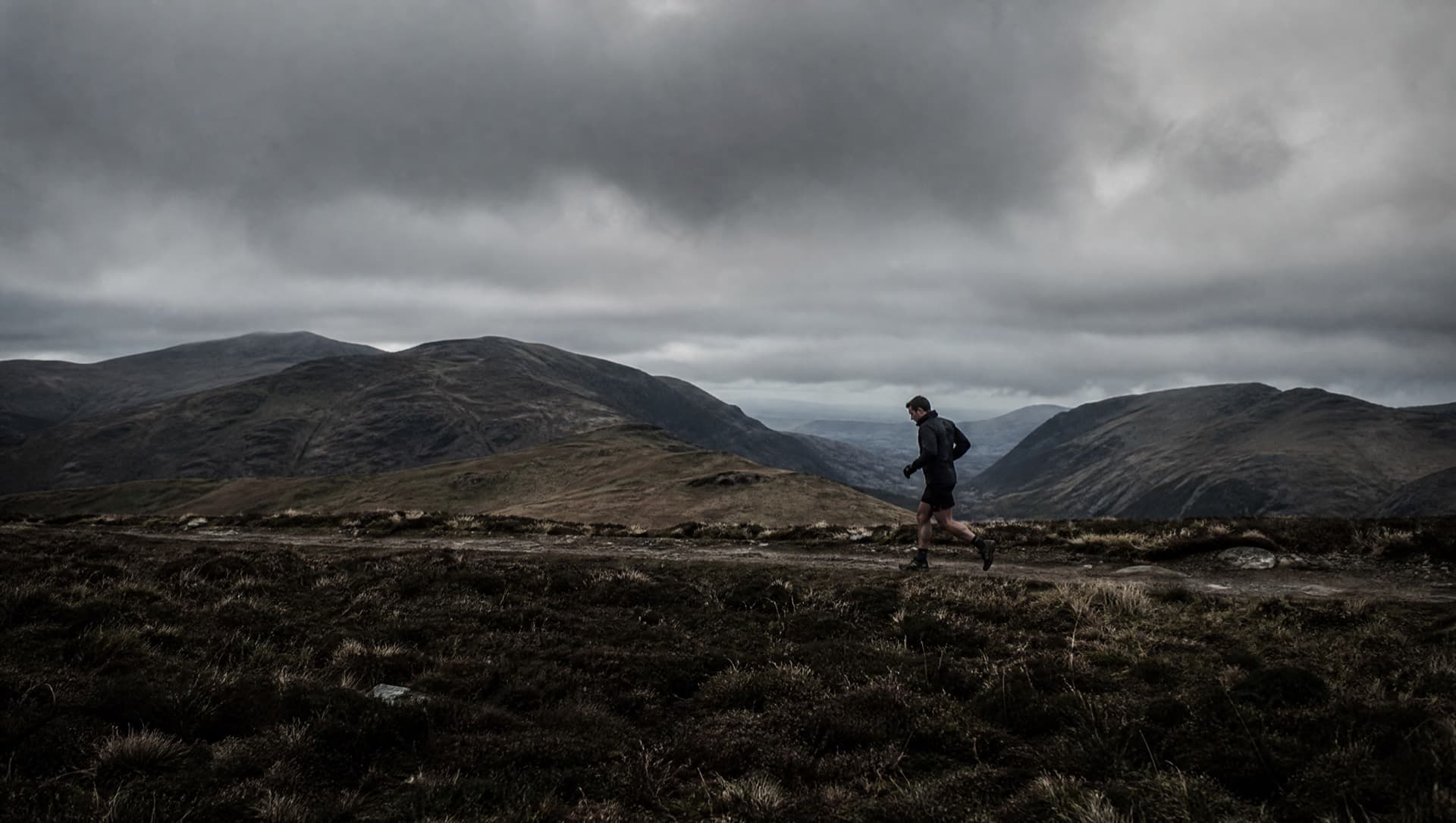
Past a certain duration the limiting factors change species: sleep, feet, kit, digestion and decision-making matter more than any interval session ever will. Training has to rehearse consecutive days, not just long ones.
- Cocodona 250 · guide coming
- Grand Union Canal Race · guide coming
- Spartathlon · guide coming
Road and runnable
Runnable ultras remove the excuses terrain provides. With nowhere to hike, durability shows up as the pace you can still hold in the final quarter, which makes economy, fuelling and pacing discipline the whole game.
- Comrades Marathon · guide coming
Your race isn't here yet?
The library grows race by race. Coaching doesn't wait for a page: tell me the event and I'll build around its demands.